Heads up: some links on this page are affiliate links. If you book through them, miamitake.com may earn a commission.
Paradise Isn’t Cheap: Why Key West Costs So Much
Let’s do a little experiment. Nothing dangerous. No waivers required. Just mild emotional damage. Grab your phone. Open Zillow. Or Realtor.com. Type Key West.
Go ahead. I’ll wait.
Now pick something modest. A condo. Not oceanfront. Not historic. Something you’d describe to your spouse as “reasonable.” As “quaint”. As “cozy”.
Yep. Those numbers you’re seeing?
Those aren’t typos. That comma is supposed to be there. That phone number to that clinic, from Korea, that’s willing to pay handsomely for a liver.

That price? That’s not just for the condo. That price bleeds into everything on this island. That rusted-out motorhome parked behind a chain-link fence? The one with the photo of the massive Doberman going to town on a Raggedy Anne Doll.
Worth more than a respectable mansion in the Poconos.
That “historic cottage” that’s been torn down by hurricanes so many times it qualifies for that the furniture is made of styrofoam so it floats? Dubai money.
Here, real estate doesn’t depreciate. It ascends… so fast God keeps asking the angels, “what’s that massive red line at a 90 degree angle doing in the middle of my playroom?”.
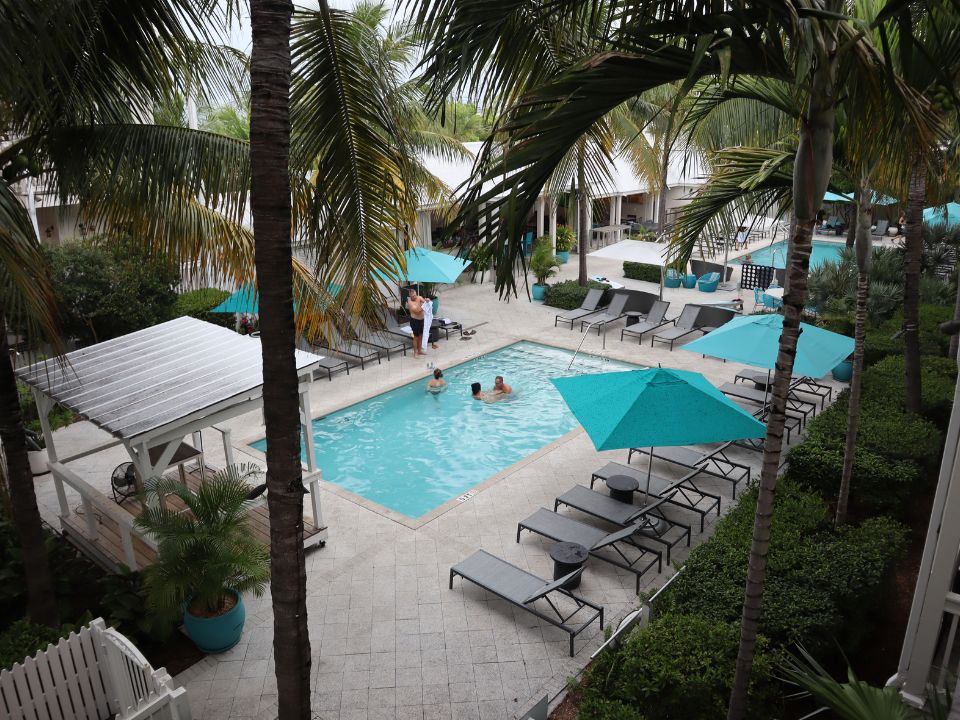
Hotels? Oh buddy. Hotels here charge the equivalent of an all-inclusive week in Punta Cana for what can only be described as a roach-forward experience with a shared bathroom and a shower that judges you and might have a camera live streaming to the deep web.
That $200 Airbnb? That’s not an apartment. That’s a sailboat. Two hundred meters offshore. You reach it by dinghy. In the dark. With your luggage.
Welcome to Key West — the only place in America where price tags feel like a bad joke and scarcity has been weaponized into a lifestyle.
Now let’s talk about why.
The weather – a fiery, flooded funhouse with felons and friends
The Geography Trap
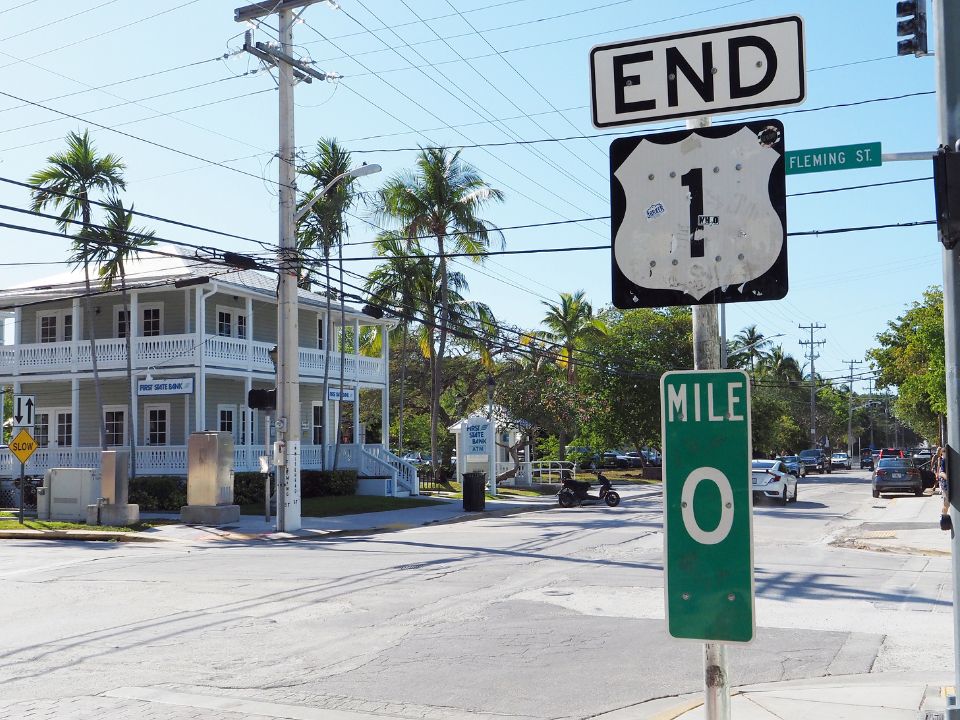
One Road, No Alternatives, Logistics Hell – Key West is expensive because it’s cornered itself geographically like a raccoon inside a vending machine.
There is exactly one way in and one way out: the Overseas Highway. No bypass. No service road. No “locals-only shortcut.” Just a ribbon of asphalt suspended over water, mangroves, sunken ships, parrot heads, and sharks. Every banana, beer keg, bed sheet, and bottle of shampoo arrives the same way you did — slowly, carefully, and with highway-induced PTSD.
This is not a supply chain. This is a supply funnel with cringe worthy slowness.
Miss a delivery window? Too bad. Get stuck behind a truck hauling coconuts? That’s your afternoon now. Storm rolling in? Congratulations, commerce has paused like a buffering YouTube video.
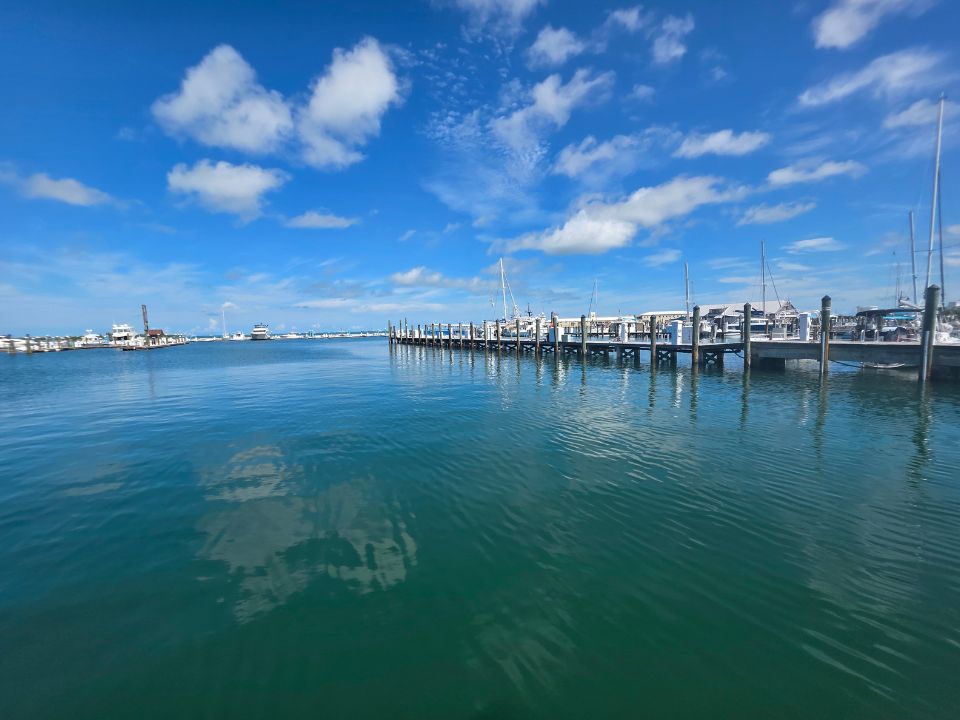
Nothing here can be “just popped over” from the next town. There is no next town. Miami is three-plus hours away on a good day, five on a bad one, and unreachable once traffic stacks up behind a confused RV from Ohio. Someone crashed their car? That’s it… You might as well retire here.
Transportation costs compound. Fuel costs spike. Storage is limited. Labor has to be imported, housed, and fed, all at island prices. Every logistical inconvenience gets added to the bill like a tip you didn’t consent to.
You’re not paying for goods.
You’re paying for the effort of getting them here at all.

The Monopoly Of Isolation
No Suburbs, No Sprawl, No Relief Valve. Most expensive places have a release valve. A suburb. A cheaper zip code thirty minutes away. Somewhere you can live while pretending you don’t mind the commute.
Key West does not. IT IS THE CHEAPER ZIP CODE… Go back to Zillow, hop that cursor to the island just off its tip. Yes, Key West is Dubai money… That island is 1% money.
This island is the end of the line, geographically, psychologically, and financially. There’s no sprawl. No outer ring. No “we’ll just build farther out.” Once you hit water, you’re done. Monopoly board complete. You hit Boardwalk.
That means every square foot is premium, even the bad ones. Especially the bad ones. A place with no parking, no view, and a floor plan inspired by maritime disasters still commands obscene prices because the alternative is… not living here.

Who actually gets to live here
Workers compete with tourists. Locals compete with investors. Everyone competes with short-term rentals. Housing doesn’t circulate… it calcifies. Properties stay in families. Or trusts. Or LLCs named after pelicans.
And when something does come on the market, it’s not priced for teachers, bartenders, or nurses. It’s priced for someone who says, “We’ll only be here part of the year. It’s just so the kids have a place to play with the riff raff. Keeps them humble. Have you seen our neighbor? Poor man, how does he do it? Life on a monthly budget of tax free 20k a month? ”
Isolation doesn’t just raise prices. It removes mercy from the equation.
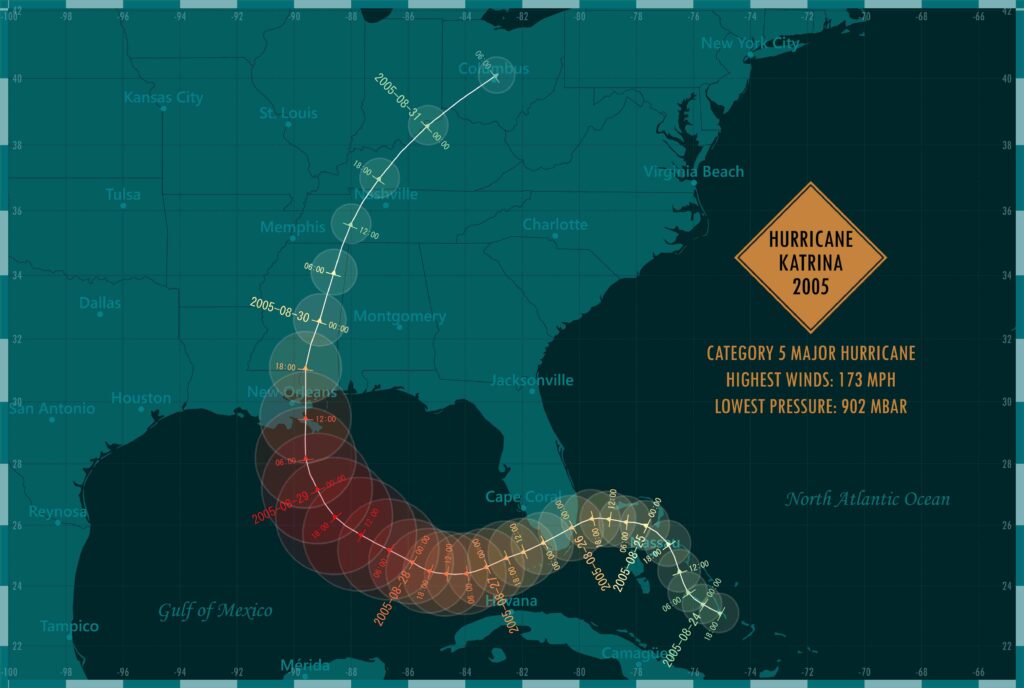
Hurricanes, Insurance, And Rebuilding The Same House Forever
Key West real estate exists in a constant state of weather-based reincarnation.
Hurricanes arrive. Houses get wrecked. Insurance premiums explode. Builders rebuild. Repeat. Over. And over. And over. Like a very expensive Groundhog Day starring plywood.
Insurance here is not a safety net, it’s a hostage negotiation. Policies are rare, fragile, and priced like heirlooms. Deductibles read like ransom notes. Some owners self-insure out of spite and prayer.
And yet… rebuilding continues.
Why? Because scarcity turns destruction into opportunity. When land is finite, even ruins are valuable. A house flattened by a storm doesn’t lose worth — it sheds sentimental clutter and comes back “elevated.”
Codes get stricter. Materials get pricier. Labor gets hungrier, “a great market… My cousin… He can do it… How does the down payment of a Ferrari sound?” Every storm resets the cost baseline higher than before. The price of resilience gets baked into rent, hotel rates, and cocktails with umbrellas.
You’re not paying for the house as it is. You’re paying for the house as it might survive next time.
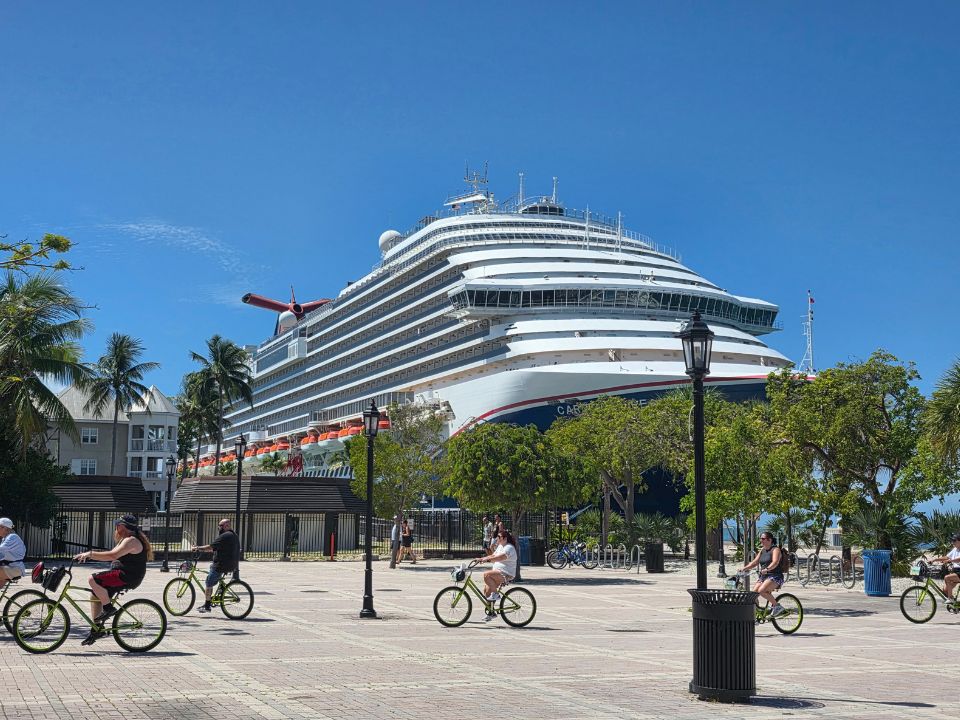
Tourism Economics
Short Stays Paying Long-Term Prices… Key West doesn’t charge like a city. It charges like a final destination.
Most visitors stay a few days. Some stay a week. If you only have one day in Key West, the financial kick is concentrated into a single sitting. Very few stay long enough to feel the financial kick to the crotch. That’s the trick. The island makes its money in concentrated doses.
Hotels price nights like it’s the last Coke bottle in the desert. Restaurants price meals like those funky Russian eggs made out of gem stones. That said, the best restaurants in Key West are still worth the splurge if you pick them right. Everything assumes you’re leaving soon, so why not squeeze?
Short-term rentals outbid long-term housing because a single good weekend can out-earn a month’s rent. Workers get pushed farther out. Prices climb. Then climb again. Tourism eats its own tail and calls it sustainability.

Mallory Square in Key West at sunset (photo by travelview/iStockphoto.com)
You’re paying for the now
Nobody here is paying for longevity. They’re paying for the now. For sunsets. For stories. For the bragging rights of having “done” Key West. (For the actual playbook on what to do in Key West without wasting money, check the list.)
For that taste of the island… Even if the island has just eaten you raw.
Key West isn’t cheap… It’s Key West. And it doesn’t need to be cheap. You can hack it. THAT’S ANOTHER ARTICLE RIGHT THERE… But you’re still going to get kicked with a bill that will cause whiplash.
The island doesn’t need affordability.
It needs turnover. You don’t get charged what something is worth to live with. You get charged what it’s worth to experience briefly.
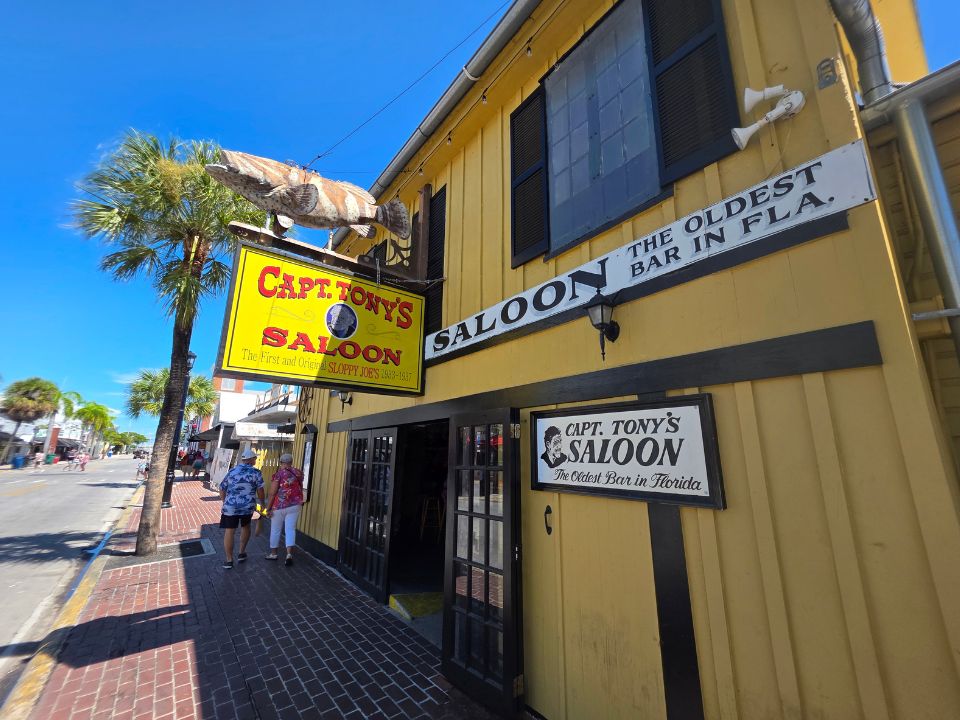
The Myth Tax
You’re Paying to Say You Stayed in Key West… This is the part no spreadsheet can explain.
Key West charges a myth tax.
You’re not just renting a room. You’re buying membership in a story. Hemingway drank here. Pirates hid here. Truman hid here. Everyone else ran here. You’re paying so you can go back home and while you’re hitting some burgers with your buddies you can say: “A girl dressed as a zombie on a scooter, came at me and hit me over the head with a rubber ducky and then French kissed me… That’s how I met Cindy Lou.”
You pay extra so you can say, “We stayed in Key West,” and watch people nod knowingly. You pay so your Instagram caption doesn’t need explaining. You pay for the postcard version of yourself. Other beach towns sell sand and sun. Key West sells identity… The narrative. The folklore. The idea that for a few days, you were part of something weird, wild, and unrepeatable.
And myths don’t discount. The island knows this. It leans into it. Every price tag whispers: You’ll remember this.
Frequently Asked Questions
Is Key West worth the money?
Depends who you ask. If you need luxury to enjoy a trip, yes. If you’re going for the weird, wild narrative — the Hemingway ghosts and the Conch Republic mythology — it’s worth it. If you just want a beach vacation with good food, Fort Lauderdale delivers 80% of the experience at 60% of the cost.
How much does a trip to Key West cost?
Budget version: $300–$400/day for two people covering a mid-range hotel, a couple of meals, and basic activities. Standard: $500–$700/day. Premium: $1,000+/day once you start adding sunset sails, private tours, and dinners at Louie’s Backyard. Peak season (Dec–Apr) adds 30–50% on top.
Why is Key West food so expensive?
Every ingredient arrives via one two-lane road (the Overseas Highway) or by boat. Labor is scarce because service workers can’t afford to live on the island. Rent for restaurant space is Dubai money. The math doesn’t work any other way — even the “casual” places have to charge premium.
When is Key West cheapest to visit?
Late September through mid-November is the sweet spot — lower rates, thinner crowds, and you dodge spring break chaos. Avoid hurricane peak (August–September) if you want actual weather. For the full timing breakdown, see the worst times to visit Key West.